Your product is good.
Amazon just won't show it.
On every major platform, your listing competes with thousands of identical ones. The algorithm decides who gets customers. Panery replaces the algorithm with a person.
Panery changes the backend, not the customer habit.
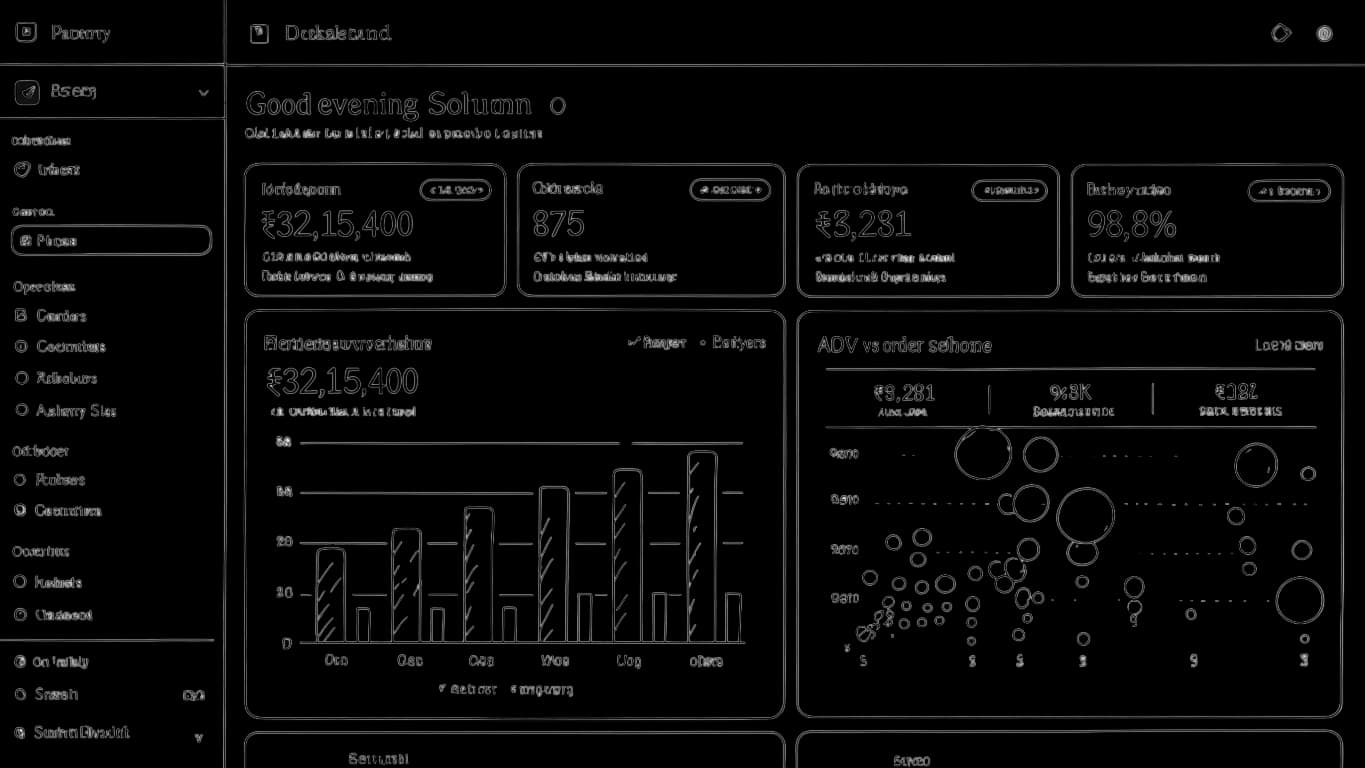
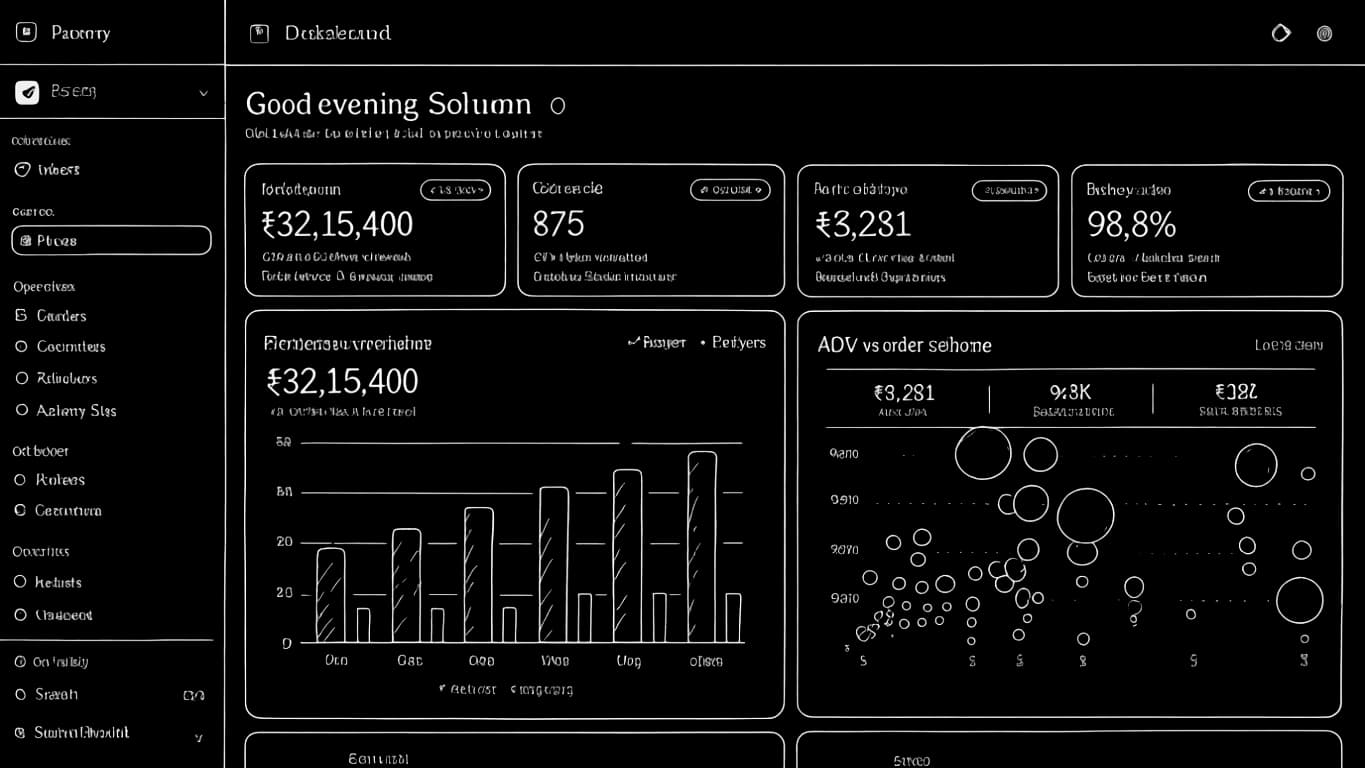
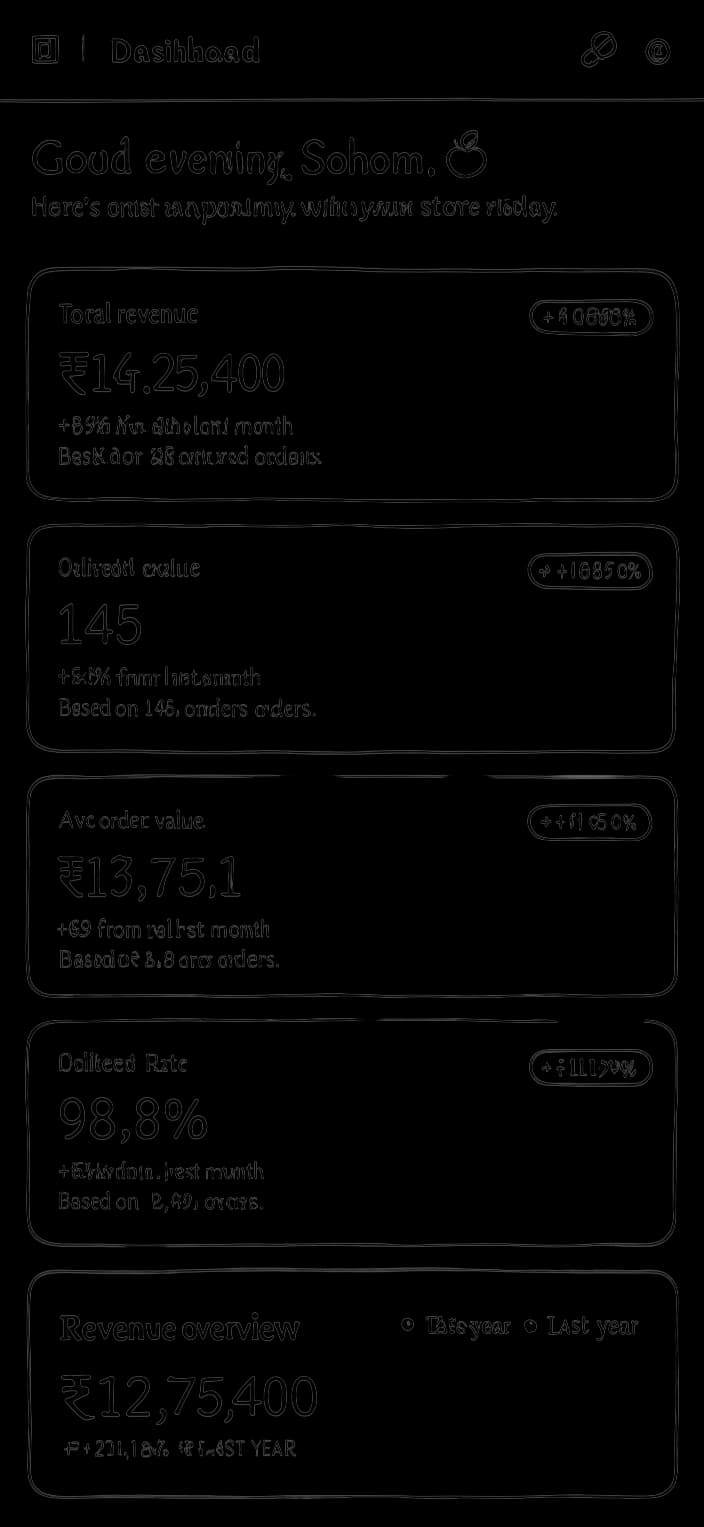
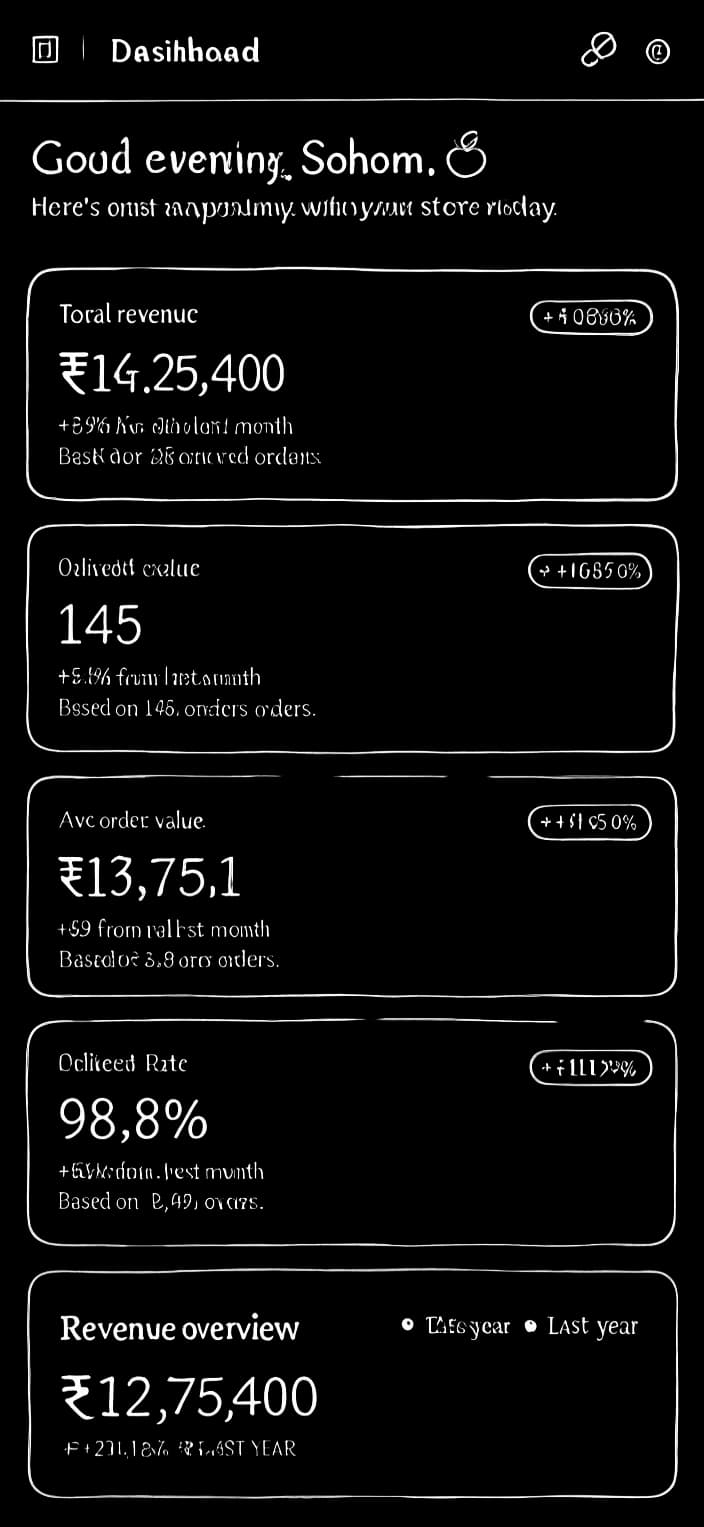
www.panery.org/[orgId]/admin/overview
Your orders, earnings, and disputes
don't vanish into chat history.
Everything is on record. Always.
- No more missed orders in group chats.No more commissions calculated from memory.No more "I thought you said" disputes.
Why Panery exists?
Local selling works because it is personal. It breaks because it is undocumented.
A vendor may have good products but no sales system. An agent may have reach, relationships, and the ability to convert demand into orders.
In most small businesses, one person does everything — makes the product, packs it, delivers it, and somehow has to market it and find customers too.
Panery splits that weight. Vendors focus on what they are good at — the product. Agents focus on what they are good at — the sale. Everyone earns from what they actually do well.
The promise is simple:
Keep the human sales channel. Remove the operational uncertainty around it.
The real problem
Stop fighting
the algorithm.
The old way
You list your product on Amazon, Flipkart, or Blinkit. Your category has 1,500 similar products already listed. The algorithm decides who gets shown. You wait. Nothing happens.
The Panery way
An agent who knows your product category takes it on. They already have the audience — a locality, a community, a customer base built on trust and relationships. They sell. You fulfill. You both earn. No algorithm. No ads budget. No listing rank. Just a person who knows how to sell, selling your thing.
Who uses it
Two account types, one workspace model.
People sign up as either vendors or agents. Admin access belongs to the owner of a workspace, so both a vendor and an agent can become an owner when they create an organization.
People with products to sell
Vendors
A vendor creates a public profile, adds products, sets stock, service areas, and delivery slots, then joins one or more organizations that can bring demand.
People who bring and book orders
Agents
An agent creates or joins an organization, talks to customers through existing channels, books orders into Panery, and earns commission on the orders they personally create.
The admin role inside an org
Owners
A vendor or an agent can own an organization. The owner manages categories, connected vendors, agents, marketplace visibility, order health, and settlement status.
From product listing to completed order
Panery keeps each handoff visible.
- 1
A vendor lists what they can fulfill.
Products, stock, delivery pincodes, and delivery slots belong to the vendor. The same vendor can serve multiple organizations without rebuilding the catalog.
- 2
An agent books demand from real customers.
Customers still order through calls, WhatsApp, or any channel the agent already uses. Panery becomes the system of record behind that conversation.
- 3
The order goes to the right vendor.
The order wizard uses the customer pincode to show matching vendor service areas, then locks the cart to one vendor for clear fulfillment.
- 4
The settlement is tracked after delivery.
For COD orders, the vendor collects from the customer, pays the booking agent directly, uploads the receipt, and the agent approves completion.
Marketplace
Discovery is part of the operating system.
Panery includes a logged-in marketplace where published orgs, vendors, and agents can be discovered. It is not a consumer marketplace. It is a network-building layer for people already working in local commerce.
What a profile can explain
- →
Orgs can describe audience, reach, policies, and category focus.
- →
Vendors can show product direction, tags, and service area.
- →
Agents can show locality, reach, and booking capability.
- FishBakeryVegetablesStationeryDairyMedical suppliesFruitsSpicesMeatPoultryFlowersBeveragesSnacksDry goodsHousehold essentialsCleaning suppliesKitchen supplies
Settlement
COD remains familiar. Receipt approval makes it accountable.
Panery currently follows a manual P2P settlement flow. After delivery, the vendor collects from the customer, sends the booking agent commission directly, uploads the receipt, and the agent approves it.
The goal is not to make local commerce feel artificial. It is to make each responsibility clear enough that orders, earnings, and disputes do not vanish into chat history.
What the product covers
The backend work that usually gets lost between calls and messages.
For vendors
Manage products and availability
Set service areas and delivery slots
Receive orders from connected organizations
Upload settlement receipts after delivery
For agents
Create or join organizations
Book orders for customers
Track commission on personal bookings
Approve vendor payment receipts
For owners
Publish an org marketplace profile
Manage categories, agents, and vendors
Monitor order and settlement status
Keep operations accountable as volume grows
- →
Two permanent account types: vendor and agent.
- →
Admin access is organization ownership, not a third account type.
- →
Marketplace profiles help orgs, vendors, and agents discover each other.
- →
COD and manual receipt approval stay visible instead of disappearing into chat.
- →
Every role sees only the organization and workflow that belongs to them.
In one line
Panery turns local demand networks into organized, trackable workspaces.
Start with a vendor account or an agent account. Create a workspace when you are ready to coordinate a network.
Already using Panery? Sign in